
86-025-5119 7362

A tubing choice made at the beginning of a system design can determine the reliability of fluid handling performance for years. When the tubing material cannot withstand chemical exposure, temperature changes, or continuous operation, problems such as leakage, contamination, flow instability, and frequent replacement may occur. For engineers working with precision fluid systems, selecting the right tubing material is a critical decision rather than a simple component choice.
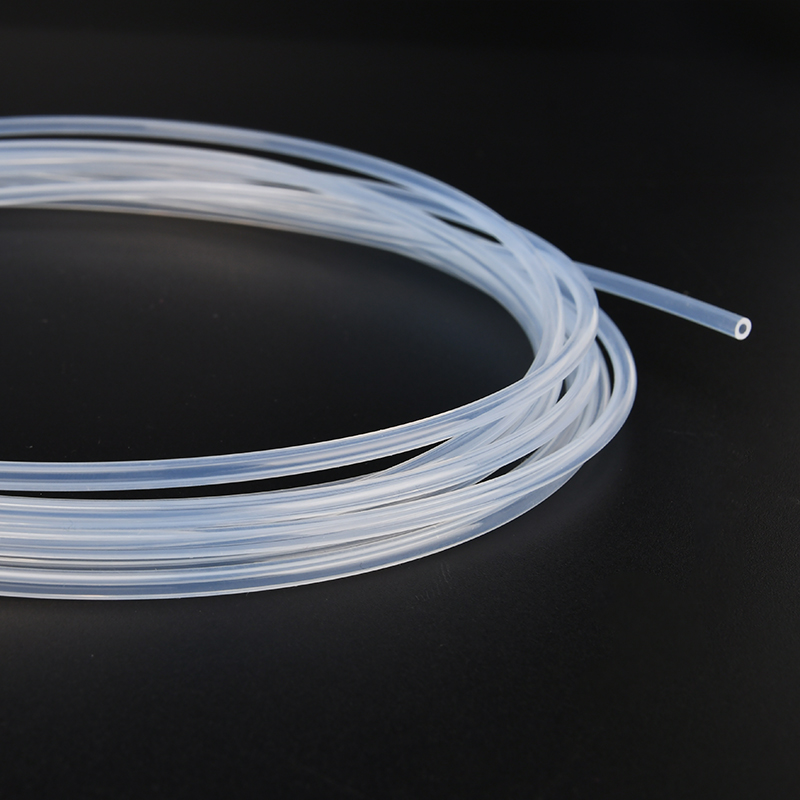
With increasing demands for higher accuracy and longer service life, rigid teflon tubing has become an important solution for applications where standard plastic tubing may not provide sufficient performance. Its excellent chemical resistance, temperature stability, and dimensional consistency allow it to maintain reliable operation in challenging fluid environments.
However, different fluid handling applications require different tubing characteristics. Some systems prioritize flexibility and easy installation, while others require maximum resistance to aggressive chemicals, heat, or mechanical stress. Comparing rigid teflon tubing with other plastic tubing options helps engineers understand which material can provide the best balance of performance, reliability, and application compatibility.
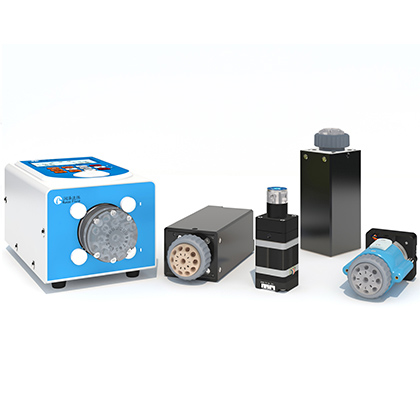
From laboratory research and analytical instruments to specialized fluid control systems, Runze Fluid provides precision-engineered fluid handling solutions that help customers build stable and efficient fluid pathways. Explore Runze Fluid’s complete range of fluid handling products designed for demanding fluid applications.
Choosing the right tubing material requires a clear understanding of how different materials perform under actual operating conditions. Although many plastic tubing options are available for fluid transfer applications, their performance characteristics can vary significantly when exposed to chemicals, heat, pressure changes, or long-term use.
Rigid teflon tubing is manufactured from PTFE (polytetrafluoroethylene), a fluoropolymer recognized for its outstanding chemical resistance, low friction properties, and excellent stability. These characteristics make it suitable for fluid handling systems where maintaining clean flow paths and reliable performance is essential.
Compared with conventional plastic tubing, rigid Teflon tubing provides stronger resistance against chemical degradation and temperature-related deformation. Its rigid structure helps maintain consistent internal dimensions, which is important for applications requiring accurate fluid flow control.
Other plastic tubing materials, such as polyethylene, polypropylene, and PVC, may offer advantages in flexibility, installation convenience, or cost efficiency. However, they may not always provide the same level of chemical compatibility and long-term stability required in more demanding environments.
| Tubing Type | Main Characteristics | Performance Advantages | Common Applications |
|---|---|---|---|
| Rigid Teflon Tubing | PTFE-based rigid tubing with high chemical resistance | Excellent chemical compatibility, temperature stability, low friction, and dimensional reliability | Laboratory systems, analytical equipment, chemical fluid handling |
| Polyethylene Tubing | Lightweight and flexible plastic tubing | Economical solution with good flexibility | General fluid transfer and low-pressure applications |
| Polypropylene Tubing | Rigid thermoplastic tubing material | Good chemical resistance and moderate temperature capability | Laboratory equipment and industrial fluid systems |
| PVC Tubing | Flexible plastic tubing material | Easy installation and cost-effective performance | General-purpose fluid applications |
Chemical compatibility is one of the most important considerations when selecting tubing for fluid handling systems. Tubing materials that interact with transported fluids may experience swelling, cracking, contamination, or performance degradation over time.
Rigid teflon tubing provides excellent chemical resistance because PTFE has a highly stable molecular structure. It can withstand exposure to many aggressive chemicals, solvents, and corrosive substances, making it suitable for applications where conventional plastic tubing may fail.
This chemical stability is one of the main reasons why teflon piping is widely used in demanding environments. The material helps maintain fluid purity and reduces the possibility of unwanted reactions between the tubing and transported media.
In analytical and laboratory applications, material compatibility directly affects accuracy and reliability. Selecting suitable rigid teflon tubing helps ensure consistent fluid transfer performance when handling sensitive samples or chemically challenging fluids.
Temperature fluctuations can significantly influence the performance of plastic tubing. Some materials may become softer at elevated temperatures or lose mechanical stability under extreme conditions, affecting the reliability of the entire fluid system.
Rigid teflon tubing offers excellent thermal stability compared with many conventional plastic tubing options. Its ability to maintain physical properties across a wide operating temperature range makes it suitable for applications involving demanding thermal conditions.
The temperature resistance of Teflon materials is also a key advantage of teflon piping systems. By maintaining structural integrity during temperature changes, Teflon tubing helps reduce deformation risks and supports more consistent fluid pathways.
For laboratory instruments, analytical equipment, and specialized fluid systems, stable temperature performance contributes to improved reliability and reduced maintenance requirements.
Precision fluid systems require tubing that can maintain consistent dimensions throughout operation. Changes in tubing shape or internal diameter may influence flow accuracy, pressure performance, and measurement results.
The rigid construction of rigid teflon tubing provides excellent dimensional stability compared with many flexible plastic tubing materials. This allows engineers to design more predictable fluid pathways and maintain consistent system performance.
Unlike softer tubing materials that may expand, compress, or deform under mechanical stress, rigid Teflon tubing maintains its structural characteristics over long operating periods. This makes it valuable for analytical instruments, sampling systems, and precision laboratory applications.
In addition, teflon piping benefits from the low-friction characteristics of PTFE, helping support smooth fluid movement and reducing resistance within the tubing pathway.
Runze Fluid provides reliable fluid handling solutions designed to support precision performance in laboratory and analytical environments where tubing quality directly impacts system reliability.
Selecting between rigid teflon tubing and other plastic tubing options requires a careful evaluation of the application environment. The ideal tubing material should match the fluid characteristics, operating conditions, and performance expectations of the entire system.
For applications involving corrosive chemicals, high temperatures, or strict cleanliness requirements, rigid Teflon tubing is often an ideal choice because of its superior resistance and long-term stability. For systems where flexibility and simple installation are the main priorities, other plastic tubing options may provide practical advantages.
Engineers should also consider how the tubing will interact with other components in the system. A well-selected tubing solution improves reliability, minimizes maintenance needs, and supports consistent fluid handling performance.
Runze Fluid offers precision fluid handling products for laboratory, analytical, and specialized applications. To find the right tubing solution for your system, you can discuss your specific fluid handling requirements with Runze Fluid.
Selecting the correct tubing material is essential for building reliable fluid handling systems. While different plastic tubing options provide unique benefits, rigid teflon tubing offers outstanding chemical resistance, temperature stability, and dimensional reliability for demanding applications.
From laboratory instruments and analytical equipment to advanced chemical fluid systems, teflon piping provides a dependable solution where performance consistency and material compatibility are critical.
By understanding the differences between rigid Teflon tubing and other plastic tubing materials, engineers can make informed decisions and develop fluid systems with improved durability, accuracy, and long-term reliability.
Rigid Teflon tubing is used in laboratory systems, analytical equipment, chemical handling applications, and fluid systems requiring strong chemical resistance and dimensional stability.
Rigid Teflon tubing is made from PTFE, a material known for its excellent resistance to many chemicals, solvents, and corrosive substances.
Rigid Teflon tubing generally provides better chemical resistance, temperature stability, and dimensional reliability, while many plastic tubing options offer greater flexibility.
Teflon piping provides excellent chemical compatibility, low friction performance, and reliable operation in demanding fluid handling environments.
Yes. Rigid Teflon tubing is widely used in laboratory and analytical systems where accuracy, cleanliness, and reliability are important.
The right tubing material should match the fluid properties, operating conditions, temperature requirements, and performance needs of the system.


 English
 日本語
日本語 한국어
한국어 français
 Deutsch
 Español
 italiano
 русский
 português
 Türkçe
 Nederland