
86-025-5119 7362

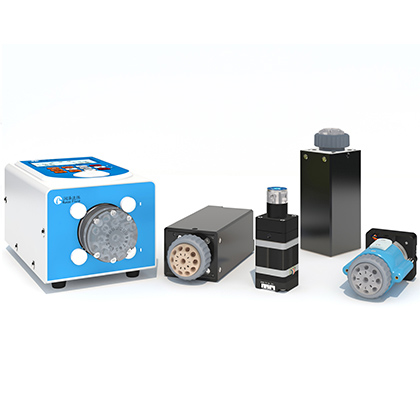
Peristaltic pump stall is a common issue in fluid handling systems, particularly in laboratory, industrial, and continuous dosing applications. When a peristaltic pump stalls, the motor is unable to rotate normally, resulting in unstable flow, reduced accuracy, or complete flow interruption. This problem is often misunderstood as a pump defect, while in most cases it is caused by system-level factors.
Understanding what causes peristaltic pump stall and how to prevent it is essential for engineers and system integrators working with precision fluid control.
A peristaltic pump stall occurs when the driving motor cannot generate enough torque to overcome system resistance. As a result, the rotor stops rotating or loses steps, even though the pump is powered on.
Unlike flow fluctuation caused by pulsation or tubing elasticity, pump stall is a mechanical limitation. Peristaltic pumps are especially sensitive to stall because they rely on compressing flexible tubing, which requires increasing torque as system resistance rises.
Typical signs of pump stall include:
· Sudden flow interruption
· Abnormal motor noise or vibration
· Repeated motor start-stop behavior
· Overheating of the motor or drive electronics
Excessive Back Pressure
High back pressure is the most common cause of peristaltic pump stall. It can result from:
· Elevated outlet height
· Long or narrow tubing
· Downstream valves or filters
· Partial or complete blockages
As back pressure increases, the torque required to compress and move the fluid inside the tubing rises rapidly. When this exceeds the motor’s capacity, the pump stalls.
High Viscosity Fluids
Fluid viscosity has a direct impact on pump load. High-viscosity liquids require significantly more force to move through tubing, especially at higher flow rates.
In addition, viscosity often changes with temperature. For example, fluids may become much thicker in colder environments, increasing the likelihood of peristaltic pump stall during winter operation.
Incorrect Tubing Selection
Tubing selection plays a critical role in peristaltic pump performance. Common tubing-related causes of stall include:
· Inner diameter too small for the required flow rate
· Tubing material that is too stiff
· Excessive wall thickness
· Incorrect compression gap settings
Improper tubing increases mechanical resistance and shortens tubing life, both of which contribute to pump stall.
Peristaltic pump stall is more likely to occur in the following applications:
· Laboratory dosing systems, where long tubing and small diameters are common
· Chemical transfer processes involving viscous or reactive fluids
· Biotechnology and medical fluid handling, requiring precise low-flow delivery
· Continuous dispensing systems, where pumps operate for extended periods
In these scenarios, even minor increases in resistance can trigger stall if the system is not properly designed.
Preventing peristaltic pump stall requires a combination of correct system design and proper operating practices.
1. Reduce system back pressure
Minimize outlet height differences, shorten tubing runs, and avoid unnecessary fittings or restrictions.
2. Select appropriate tubing material and size
Choose tubing with suitable inner diameter, wall thickness, and flexibility for the specific fluid and flow rate.
3. Optimize pump speed and torque settings
Running at excessively high speeds can increase load. Lower speeds often improve reliability when handling viscous fluids.
4. Maintain stable operating temperature
Controlling ambient and fluid temperature helps maintain consistent viscosity and reduces unexpected load increases.
5. Perform routine inspection and tubing replacement
Worn or fatigued tubing increases friction and compression resistance, making stall more likely over time.
Symptom | Possible Cause | Recommended Action |
Motor stops suddenly | Excessive back pressure | Reduce outlet height or remove restrictions |
Flow becomes unstable | Tubing fatigue or wear | Replace tubing |
Abnormal noise or vibration | Misalignment or over-compression | Inspect rotor and tubing gap |
Pump overheats | Continuous overload | Lower speed or upgrade pump torque |
This checklist can help quickly identify whether the issue originates from the pump itself or the surrounding fluid system.
Long-term reliability of peristaltic pumps depends on preventive maintenance and thoughtful system design. Establishing a regular tubing replacement cycle, keeping tubing clean, and designing systems with sufficient safety margins for pressure and viscosity can dramatically reduce the risk of stall.
In many cases, peristaltic pump stall is not caused by a single failure, but by multiple small factors accumulating over time. Addressing these factors early ensures stable operation and consistent fluid delivery.
Peristaltic pump stall is not a pump defect, but a predictable outcome of excessive system resistance, improper tubing selection, or unfavorable operating conditions. By understanding the causes of stall and applying practical prevention and troubleshooting strategies, engineers can significantly improve pump performance and system reliability in both laboratory and industrial applications.


 English
 日本語
日本語 한국어
한국어 français
 Deutsch
 Español
 italiano
 русский
 português
 Türkçe
 Nederland